


 Have a great day, y'all!
Alice Springs calls her the Sugar Nurse. Now she is the NT's Australian of the Year
Helen Lamech arrived at Alice Springs Hospital to find no structured diabetes service. A decade later she has built one, started more than 100 people on insulin pumps and been named the Northern Territory's 2027 Australian of the Year.

The meeting began in the back room of a patient's house in Alice Springs. It now fills a room at the local golf club, with up to 70 people turning up from a network of more than 100 families who live with diabetes and share what they have learned about managing it. The woman who started it, Helen Lamech, says she never hands out anyone's phone number. People exchange them themselves.
On 9 November, at a ceremony in Darwin, Lamech was named the 2027 Northern Territory Australian of the Year. The 60-year-old nurse and credentialled diabetes educator has spent more than 30 years nursing in the Territory, the last decade in diabetes education. Locals in Alice Springs know her as the Sugar Nurse.
- Who: Helen Lamech, 60, diabetes educator at Healthy Living NT in Alice Springs.
- What she built: Central Australia's first nurse-led type 1 diabetes clinic, and a peer network of more than 100 families.
- The numbers: better care for more than 2,000 people, more than 30 diabetes educators mentored and over 300 health professionals trained.
- What's next: she will represent the NT at the national awards in Canberra on 25 January 2027.
From a fill-in shift to a clinic of her own
Lamech did not set out to specialise in diabetes. According to the Australian Nursing & Midwifery Journal, her parents emigrated from India before she was born and she grew up in Canberra. Her mother's illness and death, when Helen was 17, shaped her belief that care has to include everyone. She trained in Adelaide, did her graduate year in Darwin and worked across several hospital wards before moving into public health and community development.
The turn came by chance.
I had an opportunity to fill in at Darwin Hospital as a diabetes educator and I loved it.
Helen Lamech, speaking to the ANMJ
She went on to complete a master's degree in diabetes. When she moved to Alice Springs Hospital, the journal reports, there was no structured diabetes service at all. For two and a half years she was the only diabetes educator, and she used that time to build processes that would not depend on a single clinician, so that the service would survive if she left.
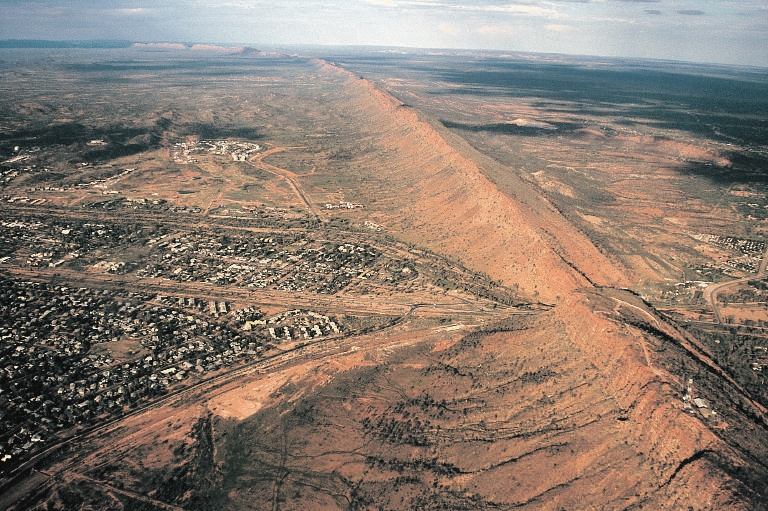
Out of that work came the region's first nurse-led type 1 diabetes clinic. According to the ANMJ, she is the only clinician in Central Australia certified across all four insulin pump systems, and in the past four years she has started more than 100 people on pumps. She sees new patients every day, runs group sessions, teaches graduate nurses in three- to four-hour sessions every three months, and trains GPs and remote health workers. She is now finishing her nurse practitioner qualification, partly so she can write prescriptions for patients who cannot find a bulk-billing GP.
Two diseases, one name
Part of what makes Lamech's job hard is that "diabetes" covers two quite different conditions. In type 1, the immune system destroys the cells in the pancreas that make insulin, so the body needs insulin from outside for life; it often begins in childhood. Type 2, far more common, develops when the body stops responding properly to its own insulin, and is closely tied to circumstances such as diet, income and access to care. Central Australia carries a heavy load of both, and they call for different kinds of help.
An insulin pump is a small device, about the size of a phone, worn on the body. It delivers insulin through a fine tube under the skin in small doses through the day, replacing many of the injections a person with type 1 would otherwise need. Paired with a glucose sensor, some systems now adjust doses automatically. They are powerful tools, but they demand training, supplies, troubleshooting and follow-up, which is hard to provide 1,500 kilometres from a capital city. That is the gap Lamech's clinic and her certification on every system were built to close: one person in Alice Springs who can start, adjust and fix whichever pump a patient is given.
A network that runs on trust
The peer network is the part of her work that colleagues mention first. The Australian Diabetes Educators Association says she built it with Healthy Living NT, and that it now links more than 100 families. Experienced members help newer ones through the technical problems that come with pumps and glucose sensors; families who would otherwise be on their own find people a few streets away who have been through the same nights.
I don't give out phone numbers, but if people click, they exchange numbers and form little groups that help each other.
Helen Lamech
Her approach in the consulting room is deliberately unbossy. She asks patients what they think before telling them anything, the ANMJ reports. She explains insulin as a key that opens a gate so glucose can get into the cells. She has joined Zumba classes to encourage people to move. And she is frank that the latest devices are not the answer for everyone. "Technology isn't for everyone," she told the journal. The photos of the families she supports cover the walls of her office.
Her colleagues have described her method as trauma-informed and culturally responsive, and the official award citation credits it with reducing hospital admissions, improving safety and helping families manage the condition with more confidence. In the ADEA's words, she wants people to understand that diabetes "doesn't have to stop them from living the life they want".
Why Central Australia needed her
The scale of the problem explains why the recognition matters. In 2022, research from the Menzies School of Health Research, reported by NITV, drew on seven years of health data from about 21,000 Aboriginal people in 51 remote Northern Territory communities. It found that 40% of Aboriginal adults in Central Australia had type 2 diabetes, that the average age at diagnosis was 38, compared with people in their 60s or 70s nationally, and that diabetes had become the leading cause of death in those communities in 2020. The research author, Dr Mathew Hare, linked the epidemic to the impacts of colonisation and ongoing disadvantage rather than to lifestyle alone, and called for prevention designed with Aboriginal communities.
Lamech travels to remote communities where, the ABC reports, diabetes affects up to two in five adults. She does not soften her view of the national response.
We've got the worst diabetes rate in the world in Central Australia and I feel like we're not taking it seriously
Helen Lamech, to ABC News
She told the ABC she hopes to use the award to carry that message to a national audience. Carrie Leeson, chief executive of the National Australia Day Council, said in announcing the award that "Helen is providing essential diabetes education and support".
This is her third major honour in little more than a year. In August 2025 she was named the Jan Baldwin National Credentialled Diabetes Educator of the Year on the Gold Coast, and in May 2026 she became Australia's Nurse of the Year at the HESTA Australian Nursing and Midwifery Awards, according to the ADEA.

The rest of the Territory's honour roll
Lamech shared the stage in Darwin with three other recipients, chosen from 17 nominees across four categories. The NT Senior Australian of the Year is Pat King, 74, of Casuarina. On Christmas Eve 1974, as a St John Ambulance volunteer, she worked for three days straight through Cyclone Tracy, which killed 66 people, taking emergency calls and triaging survivors, according to Australian Community Media. She still volunteers as a chaplain, offering confidential support to NT Police and Australian Federal Police officers. Asked by the ABC whether she planned to slow down, she replied: "Good grief, no."
The NT Young Australian of the Year is Taitt Green, 18, from Katherine, who joined St John cadets at eight and has since volunteered with the Air Force Cadets, NT Fire and Rescue Service and NT Emergency Services. He helped put out a hay shed fire near large gas tanks in late 2025 and, during the Katherine floods in March, waded through chest-deep water to rescue a woman, the ABC and ACM report. "I guess I enjoy helping my community and serving others," he said.
The Local Hero award went to Majors Niall and Michelle Gibson of the Salvation Army, Katherine-based "Flying Padres" who spend up to 100 hours a year in the air and visit around 80 cattle stations, schools, police stations, health centres and outback towns each year, conducting weddings, funerals and bush christenings along the way. NT Administrator David Connolly presented their award. "My word for the night is unbelievable," Michelle Gibson told the ABC.
All four will join the recipients from the other states and territories at the national ceremony in Canberra on 25 January 2027.
The clinic stays open
For Lamech, the award changes the size of the audience, not the job. The structures she built at Alice Springs Hospital were designed so that care would not hinge on one person, and the graduate nurses, GPs and remote health workers she has trained carry the same methods into clinics she may never visit. The award brings a national platform; the training is what will last. The nurse practitioner studies are nearly done; the families still come to the golf club; new patients still arrive each morning. She told the ABC she wants Australia to take Central Australian diabetes as seriously as the numbers demand.
Her story sits beside others we have told about health workers who built services where none existed, from Runa Khan's hospital barges in Bangladesh to a phone health coach that cut gestational diabetes by nearly 30% in a trial. Closer to home, the Fitzroy Stars showed this month how far a community can go when it builds its own place to belong.
On her office wall in Alice Springs, the photographs keep multiplying.
Para saber más
Go further
- Web · ABC NewsTrailblazing diabetes educator named 2027 NT Australian of the Year
The award night in Darwin and all four NT honourees, in their own words.
- Web · Australian Nursing & Midwifery JournalThe Sugar Nurse: HESTA 2026 Nurse of the Year
The fullest portrait of how Lamech built a diabetes service in Alice Springs from scratch.
- Web · Australian Diabetes Educators AssociationFrom CDE of the Year to nation's Nurse of the Year
Her peers' account of the peer network of more than 100 families.
- Web · HESTAHESTA Australian Nursing & Midwifery Awards 2026 winners
The national nursing awards where she was named Nurse of the Year in May.
- Web · NITV / SBSDiabetes epidemic hits Central Australia
The Menzies research that explains the scale of the problem she works on.
- Web · Australian Community MediaHelen Lamech named 2027 NT Australian of the Year in Darwin
Profiles of the Senior, Young and Local Hero recipients from the same night.
Sources
- ABC News: Trailblazing diabetes educator named 2027 NT Australian of the Year
- 2027 Australian of the Year Awards Northern Territory (Chief Minister media release)
- ANMJ: The Sugar Nurse: HESTA 2026 Nurse of the Year
- ADEA: From CDE of the Year to nation's Nurse of the Year
- ACM: Helen Lamech named 2027 NT Australian of the Year in Darwin





