


 Have a great day, y'all!
Locked out for 86 years, sockeye are finding their way back to B.C.'s Columbia
Three First Nations are returning salmon to the upper Columbia River, cut off since Grand Coulee Dam went up. Fry raised in Kootenay classrooms went into the river this spring, and the first tagged adults have already come back from the Pacific.

At five in the morning on a May day in Penticton, Tyson Marsel and his crew were already loading the truck. In the back rode 1,500 sockeye fry, raised at the Okanagan Nation Alliance hatchery and bound for a river their ancestors had not been able to reach for more than eight decades. The drive to the Kootenay took seven hours.
On 20 May the fish went into the Columbia at Invermere, a lakeside town between the Rocky and Purcell mountains. The next day it was Golden's turn. Students who had spent five months raising sockeye eggs in classroom tanks in Invermere, Windermere and Kimberley stood on the bank and tipped them into the current.
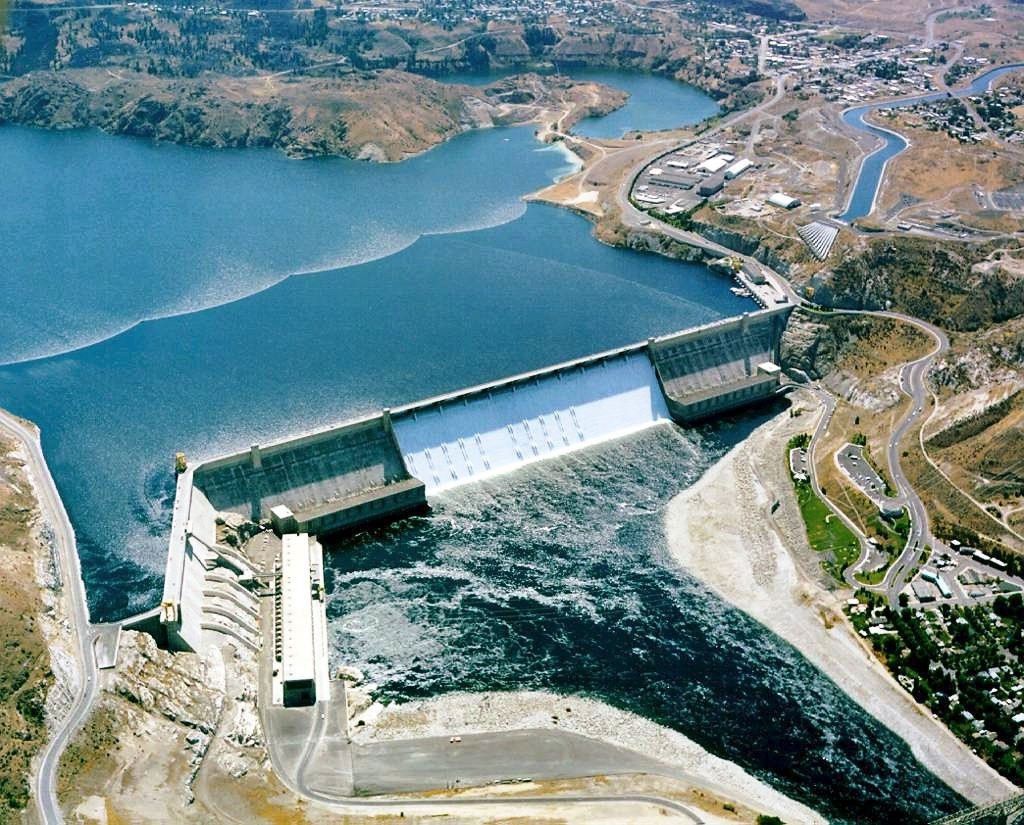
- Salmon were cut off from the Canadian upper Columbia when Grand Coulee Dam in Washington State was built without fish passage between 1938 and 1941.
- The Bringing the Salmon Home initiative, led by the Syilx Okanagan, Ktunaxa and Secwépemc Nations with British Columbia and Canada, has been working since 2019 to bring them back.
- In 2025, two tagged sockeye released as fry in 2023 swam back up the river as adults, past about a dozen dams.
- The Shuswap Band's ceremonial releases this year reached about 300 students plus community members.
Small numbers, a long way to go. But for the nations that live along the headwaters, the first adults coming home were proof of something their elders had said for decades.
A river that went quiet
The Columbia runs about 2,000 kilometres from its source in the Rocky Mountain Trench to the Pacific between Washington and Oregon, and nearly 40 per cent of it starts in British Columbia. Before the dams, the upper river carried sockeye and chinook runs in the millions, according to the initiative. Chinook were the only salmon that reached the very headwaters, near where Invermere sits today.
Then came Grand Coulee. Its foundations went in in 1939 and it was finished in 1941, with no way for fish to get past. It cut salmon off from more than half the river's length, including the nursery lakes and spawning grounds on the Canadian side. In 1955, Chief Joseph Dam went up downstream and sealed the route further. On the Canadian side, Hugh Keenleyside, Mica and Revelstoke dams were later built without fish passage too.
For the Secwépemc, Ktunaxa and Syilx peoples, the loss went beyond food. Salmon tied together ceremony, trade and family life along the river. The reservoirs flooded villages, gathering places and burial sites. Residential schools broke the passing of knowledge between generations in the same decades. Vickie Thomas, who represents the Ktunaxa Nation on the initiative's Indigenous knowledge council, puts the absence at about 85 years.
We need to make sure that we're creating that pathway for the salmon.
Vickie Thomas, Ktunaxa Nation representative, Bringing the Salmon Home
The salmon that came back
The turning point came in the summer of 2025. Biologists had fitted small tags to young sockeye released in the upper Columbia in 2023. The fish swam downstream, through or around the dams, reached the ocean and spent their adult lives there. Then two of them turned for home.
On 30 June 2025, one adult was recorded passing Wells Dam in Washington. On 7 July, a second passed the Rocky Reach fishway. Both went as far upriver as passage currently allows, just below Chief Joseph Dam, which still has no permanent fish ladder. The round trip covered thousands of kilometres.
"This proves that, given the chance, the salmon know where they need to go," said Mark Thomas, a Shuswap Indian Band councillor and chair of the initiative's executive working group, when the nations announced the return in October 2025. Chief Keith Crow of the Lower Similkameen Indian Band, part of the Syilx Okanagan Nation, called it "a powerful affirmation of what our Elders and Knowledge Keepers have always told us". For Ktunaxa councillor Jason Andrew of ʔaq̓am, the fish stood for "hope, healing and responsibility".
Other pieces of evidence point the same way. Chinook released by U.S. tribes above Grand Coulee have moved north across the border, and some reached the first major dam in Canada. Adult sockeye of Okanagan origin were moved by truck to the Arrow Lakes, and in 2024 one was seen heading into spawning grounds. Scott Cope, a recently retired Shuswap Band biologist, told Mongabay the studies show that reintroduction is feasible.
The Okanagan blueprint
The nations are not starting from scratch. A few valleys to the west, the Syilx have already done something similar. Over roughly 25 years, the Okanagan Nation Alliance, founded in 1981 and made up of seven member nations, removed barriers, restored spawning beds, built a hatchery and kept up the ceremonies. In 2022 the alliance estimated that about 670,000 sockeye entered the Columbia system, the highest return of the modern era, and more than 80 per cent were heading for Canadian waters near Osoyoos, CBC News reported.
"We've got more fish than spawning habitat coming back," ONA head fish biologist Richard Bussanich said at the time.
In August 2025, the Syilx Nation opened the Okanagan Dam fish passage in Penticton, built with the city, the province and Fisheries and Oceans Canada. For the first time in about a century, sockeye, chinook, steelhead and kokanee could swim from the river into Okanagan Lake and its tributaries. "Salmon were at the brink of extinction," Zoe Eyjolfson, who led the passage project for the ONA, told the CBC.

That hatchery, known as kł cp̓əlk̓ stim̓, is now the engine of the upper Columbia work. It supplies the fry for technical releases, the eggs for classroom tanks and the fish for ceremonies, and it is also building up chinook. Indigenous-led river recovery has a track record elsewhere too, from the Cofán community in Ecuador that brought back thousands of river turtles to the many species that recovered once someone stepped in.
Young people at the front
The other engine is people. Five years ago the initiative started Salmon Warriors, a programme that brings young adults from the three nations into the hands-on work, from collecting broodstock to speaking in public about the river. Each autumn they meet for a gathering; the latest ran from 21 to 25 October 2026.
One of them is Devin Capilo, 19, a junior salmon chief mentored by Mark Thomas. He told Mongabay he feels "very hopeful".
For Thomas, the classroom tanks and the riverbank ceremonies are as important as the biology. "It's all about reconnection, it's all about advocacy … and understanding the importance of salmon to us as people and to the ecology," he said.

What still stands in the way
Nobody involved pretends the job is done. Cope summed up the scale: "We need to go from releasing tens of thousands of fish to millions of fish." Large numbers of young salmon are needed to swamp predators on the way to the sea, and only a fraction of any release survives to return.
Two hurdles come up again and again: fish passage and broodstock. On the U.S. side, the Upper Columbia United Tribes are running the second phase of a plan that includes interim passage at Chief Joseph and Grand Coulee; a "trap and haul" system is already moving fish around Chief Joseph. The Biden administration promised US$200 million for that work in 2023. Cope called passage through the U.S. dams "our big milestone" and said the Canadian dams now need attention too.
The Canadian dams have their own history. Mica, Hugh Keenleyside and Duncan were built under the Columbia River Treaty, which Canada and the United States ratified in 1964 to control floods and generate power downstream. The salmon initiative notes that Indigenous nations were left out of those early treaty decisions; this time, the three nations sit at the table as partners.
There are legal openings. Under the modernised Columbia River Treaty agreement-in-principle, Canada and the United States agreed to new measures for salmon restoration and ecosystem health. The reintroduction studies have been funded through the B.C. Salmon Restoration and Innovation Fund, paid for by Ottawa and the province.
There are natural limits as well. Chinook will be harder than sockeye, because stocks across much of B.C. and the U.S. are endangered. And a warming climate is shrinking the cold water salmon need, both above and below the dams.
The plan is to build genetic lines from broodstock first, and later rely on fish that stray or are moved upstream and spawn on their own. That is how the Okanagan run was rebuilt, and it took a generation.
The fact you might not know
Chinook, the biggest Pacific salmon, once swam the full length of the Columbia, about 2,000 kilometres, to spawn near its source in the Columbia Valley around Invermere. The fry released there this May were going back into water their species had used for thousands of years before 1939.
Further reading
- Bringing the Salmon Home, the initiative's site.
- Water Canada on the 2025 return, with the full statements from the nations.
- Mongabay's report from the May 2026 releases.
- CBC on the Okanagan Dam fish passage, opened in August 2025.
- On The Positive Way: the kākāpō's record breeding season, another species brought back by patient, hands-on work.
Go further
- Web · Syilx Okanagan, Ktunaxa and Secwépemc Nations, with B.C. and CanadaBringing the Salmon Home: Columbia River Salmon Reintroduction Initiative
The initiative's own site, with its history, the Salmon Warriors programme and updates from the river.
- Web · Bringing the Salmon HomeThe salmon are coming home: Columbia River headwaters announcement (September 2025)
The announcement of the first adult sockeye to come back after more than 80 years, told by the nations themselves.
- Web · Bringing the Salmon HomeBringing the Salmon Home on Instagram
Photos of fry releases, ceremonies and the young Salmon Warriors at work.
- Blog · MongabayFirst Nations lead the return of salmon to Canada's Upper Columbia River
A long field report from the May 2026 ceremonies in Invermere and Golden.
- Web · Okanagan Nation AllianceOkanagan Nation Alliance
The Syilx organisation that rebuilt the Okanagan sockeye run and runs the hatchery in Penticton.
- Web · Canadian Geographic'We want to let the salmon know we're still here'
Background on the ceremonies and the meaning of salmon for the nations of the upper Columbia.
Sources
- Bringing the Salmon Home – Columbia River Salmon Reintroduction Initiative
- Water Canada: Historic return of sockeye salmon to the Columbia River (Oct 2025)
- Mongabay: First Nations lead the return of salmon to Canada's Upper Columbia River (Jul 2026)
- CBC: Okanagan First Nation fishery celebrates record return of sockeye salmon (2022)
- CBC: Sockeye salmon able to return to Okanagan Lake for first time in over a century (2025)





