


 Have a great day, y'all!
Vaupés gains its own indigenous government on the Brazil border
TIURIS becomes the ninth indigenous territorial entity in Colombia's Amazon, covering 412,922 hectares with 99.6% of its forest intact.
THE KEY POINTS
- On November 4, Colombia's Interior Ministry signed Resolution 1934, formalizing TIURIS as the ninth Indigenous Territorial Entity (ETI) in the Colombian Amazon.
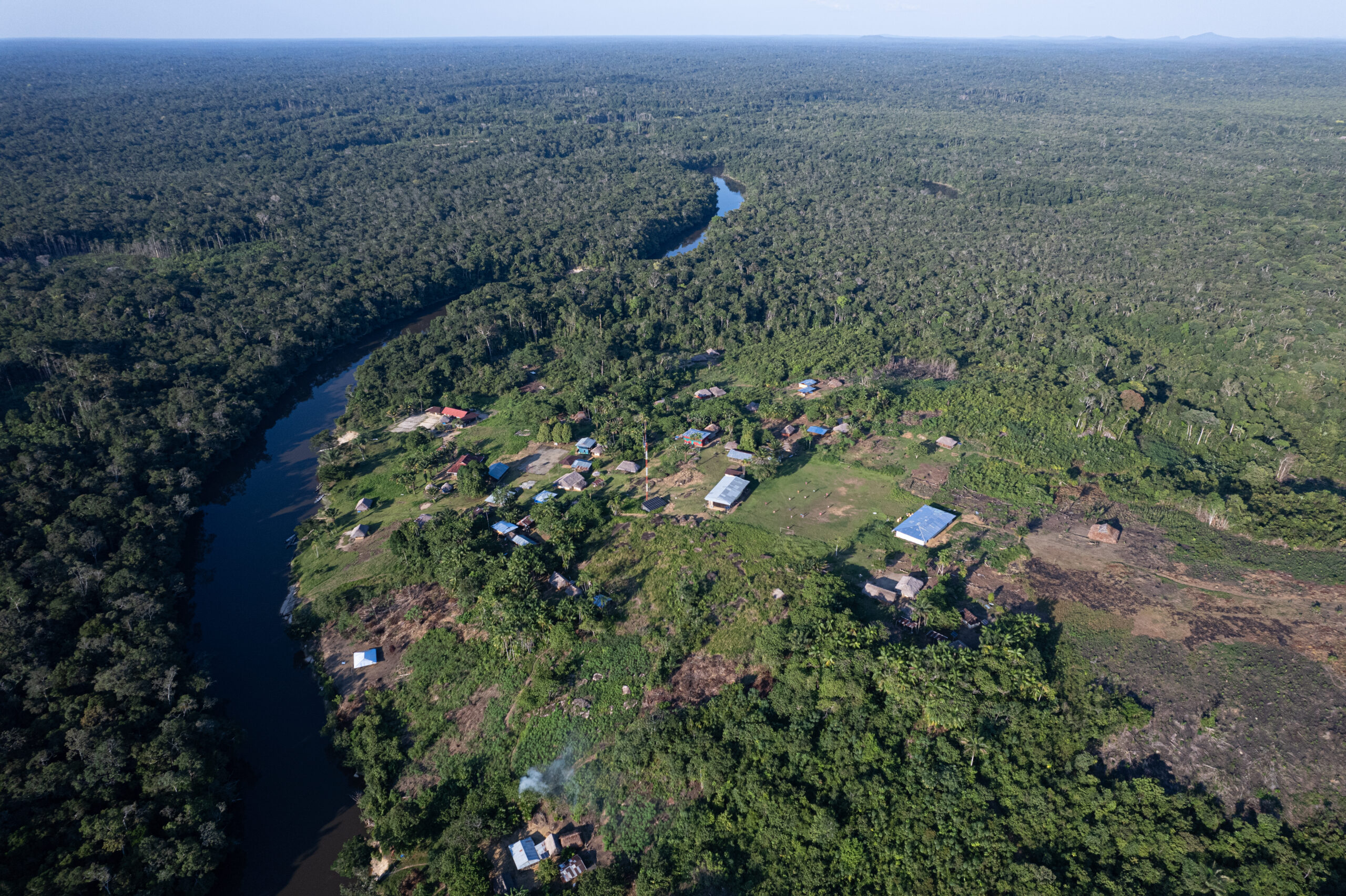
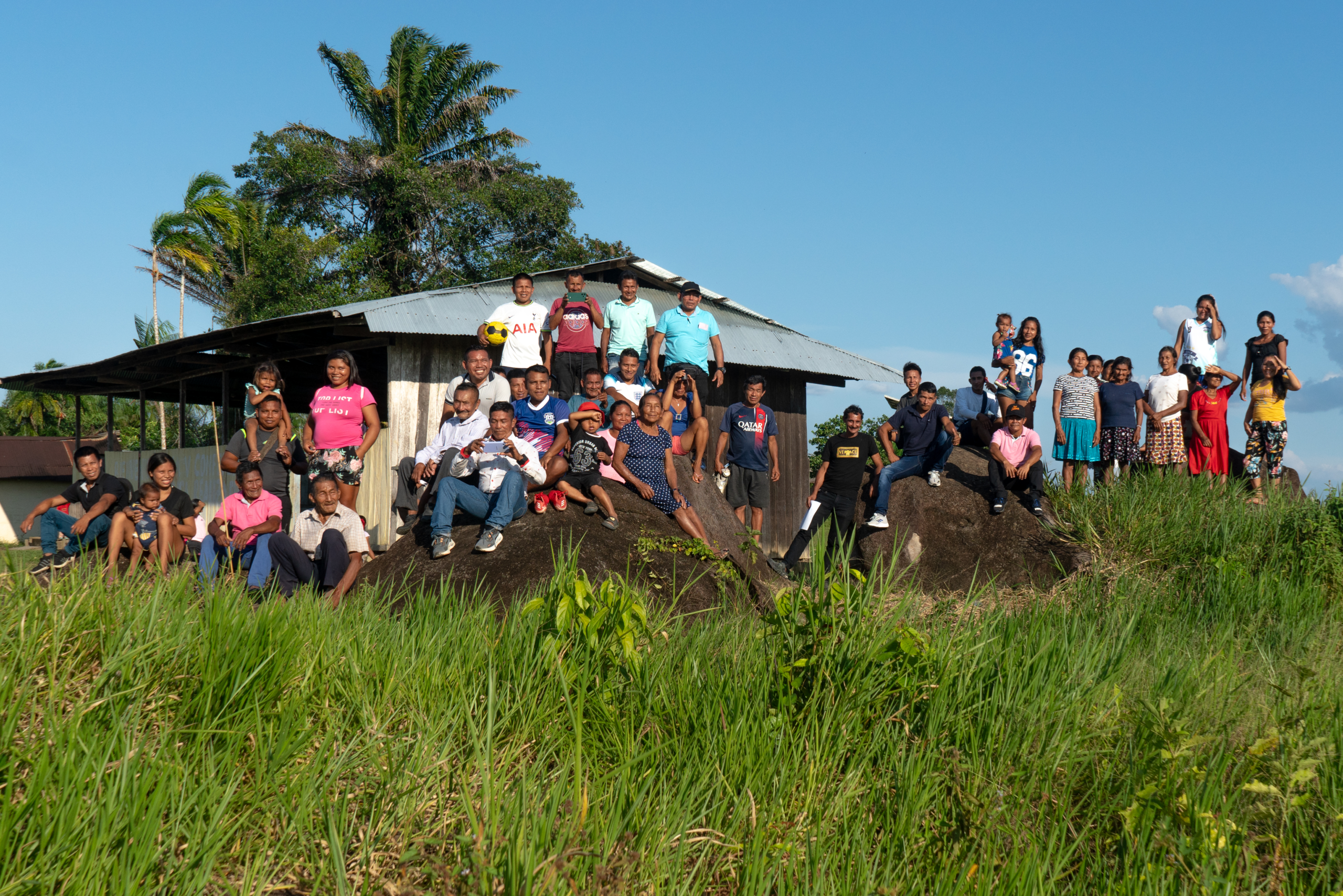
- The territory spans the northeastern Vaupés region and southwestern Guainía, home to 15 communities, including Camanaos, with 536 people across 130 families.
- According to MapBiomas Colombia, 99.6% of its natural vegetation cover remains intact.
- The signing followed a lawsuit filed by the TIURIS Indigenous Council and a court order requiring the government to formalize the agreement.
- With this decision, more than 15% of the Colombian Amazon now falls under a formalized indigenous territorial government.
An agreement four months and thirty-five years in the making
Harbey Hernández represents 536 people organized in 130 families across fifteen communities: the residents of the indigenous territory known as TIURIS, short for Territorio Indígena Unido de los Ríos Isana y Surubí. On November 5, a day after Colombia's Interior Ministry signed Resolution 1934, he summed up what the paperwork meant for the people he represents.
"We finally got the Intercultural Agreement signed, after several years of struggle."
Harbey Hernández, legal representative of the TIURIS territory
The document formalizes the Intercultural Agreement between the Colombian state and the people inhabiting this stretch of rainforest between northeastern Vaupés and southwestern Guainía, along the border with Brazil. With the signing, TIURIS becomes the ninth Indigenous Territorial Entity (ETI) recognized in the Colombian Amazon, and the tenth nationwide, after the first one was formalized in La Alta Guajira in May 2025.
ETIs have existed on paper since Colombia's 1991 Constitution, which placed them alongside departments, municipalities and special districts as one of the country's forms of territorial organization. For more than three decades, no government activated the mechanism needed to put the model into practice. Decree Law 632 of 2018 and, later, Decree Law 488 of 2025 opened the legal path that allowed, in December 2025, the formalization of the first eight Amazonian ETIs. TIURIS arrives almost a year later, as the ninth.
Behind the date lies a concrete legal process. On July 8, 2026, the TIURIS Indigenous Council filed a tutela, a constitutional rights action, arguing that the ministry was violating its fundamental rights to the constitution of indigenous territorial entities and to due process. On July 23, Bogotá's Fifth Labor Court ruled in the council's favor and ordered the ministry to sign the agreement within two days. The delay in complying triggered a contempt proceeding against the ministry, until current minister Alejandro Ordóñez Maldonado signed the resolution on November 4.
What changes when an indigenous territory becomes a territorial entity
Before this legal status, an indigenous reservation in Colombia had its land recognized, but depended almost entirely on the municipality and department where it was located for matters such as health, education or budget transfers. A formalized ETI, by contrast, stands on equal legal footing with those other territorial entities when it comes to exercising self-government, according to Fundación Gaia Amazonas, the organization that has supported this process for more than three decades.
The Intercultural Agreement now governing TIURIS sets out the entity's powers and functions, the coordination mechanisms with national, departmental and municipal authorities, and the fiscal criteria under which it can manage public funds. In practice, this allows the traditional authorities of the territory's fifteen communities to decide, with greater autonomy, on intercultural health, their own education systems, environmental projects and the management of their "plan de vida," the long-term development framework Amazonian peoples use to organize their future.
Milena Joaquín, the TIURIS ETI's secretary for women's affairs, frames it from another angle: cultural continuity.
"It's a guarantee for passing on our knowledge."
Milena Joaquín, secretary of women's affairs, TIURIS ETI
The territory is home mainly to the Ñamepaco people, who speak an Arawak language, one of more than sixty ethnic groups with their own language living across the Colombian Amazon. Vaupés, the department that holds much of TIURIS's land, concentrates some of the country's greatest linguistic diversity: along its rivers live peoples from the Eastern Tukano, Arawak and independent language families, under a traditional marriage system between speakers of different languages that has sustained an unusual multilingualism across generations. That linguistic wealth echoes what drove the creation this year of Colombia's first academy devoted to indigenous and Afro-descendant languages, founded in Cauca.
What the numbers say about the forest
That figure is not incidental. MapBiomas Colombia, the satellite-monitoring platform used by Gaia Amazonas and the Amazon Network of Georeferenced Socio-Environmental Information to track land-cover change, calculated the percentage using 2025 data. A broader analysis tracking twelve indigenous territories across the Colombian Amazon over four decades found they lost less than 1% of their forest cover combined, compared with roughly ten times more loss across the rest of the Amazonian departments and roughly twenty times more at the national average.
Julieth Rojas, Gaia Amazonas's deputy technical and political director, sums up the argument running through much of this process: indigenous self-government is not only a matter of rights, it also functions as a form of rainforest conservation.
"Building a pluralist state is everyone's business."
Julieth Rojas, deputy technical and political director, Fundación Gaia Amazonas
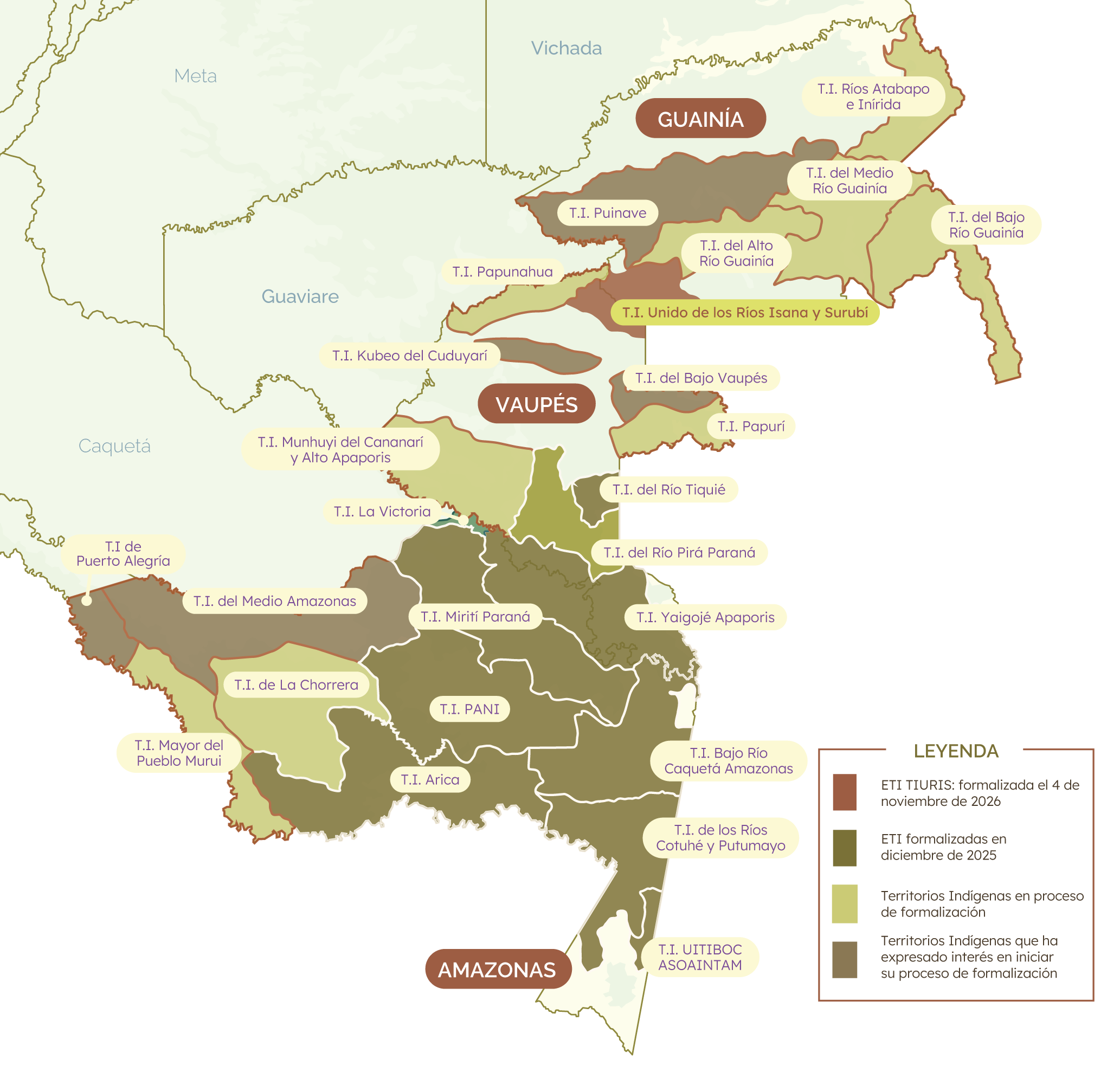
The nine Amazonian ETIs formalized so far carry names that trace much of the region's river geography: Río Tiquié, Yaigojé Apaporis, Mirití Paraná, PANI, Bajo Río Caquetá-Amazonas, Arica, Ríos Cotuhé-Putumayo, UITIBOC-ASOAINTAM and, now, TIURIS. Together, according to Gaia Amazonas, they cover more than 15% of the Colombian Amazon, land that is beginning to be governed under its own rules instead of depending entirely on distant mayors' and governors' offices. In neighboring Guainía, which borders TIURIS, another recent find — the rediscovery of a giant water lily never before catalogued in Colombia — has put this same stretch of the Amazon on scientists' radar.
What still needs to happen
Formalizing TIURIS does not close the process in the region. The Pirá Paraná river indigenous territory, also in Vaupés, has held a delimitation resolution from the Agencia Nacional de Tierras since December 2025, but is still waiting for the Interior Ministry to formalize its own Intercultural Agreement. Gaia Amazonas has asked the national government to move forward without further delay, noting that ten other Amazonian indigenous territorial entities are at various stages of formalization.
For TIURIS itself, the next step is no small matter either: defining the concrete conditions for its autonomous political and administrative operation, particularly how it will receive and manage the public funds it is entitled to. These processes, as Gaia Amazonas has documented through more than thirty years of work with Amazonian indigenous authorities, typically take four to five years from the moment a territory requests delimitation until it achieves real fiscal autonomy.
That mix of institutional slowness and tangible outcome runs through much of Vaupés's recent history, a department where a large majority of the population identifies as indigenous and where the capital, Mitú, remains connected to the rest of the country almost exclusively by air or by rivers that take days to navigate. As these communities build out their administrative autonomy, other expressions of indigenous Amazonian identity are gaining visibility through different channels, such as the border choir that brought together indigenous voices from Leticia, Puerto Nariño and Caballococha on a stage in Bogotá. In that context, having an indigenous territorial entity written into the country's political and administrative structure, with fiscal tools equivalent to a municipality's, changes how these communities can plan their future without depending on decisions made hundreds of kilometers away.
The fact you might not know
Colombia's 1991 Constitution created the legal category of indigenous territorial entities thirty-five years ago, at the same legal level as departments and municipalities. For all that time, no government activated it. The country's first ETI, in La Alta Guajira, was only formalized in May 2025. TIURIS is just the tenth nationwide and the ninth in the Amazon, in a department, Vaupés, where dozens of distinct indigenous languages coexist across a territory roughly the size of half of Belgium.
To go further
- TIURIS ya está formalizada: la novena ETI de la Amazonia colombiana — Fundación Gaia Amazonas
- Tras decisión de tutela, Mininterior formaliza el noveno territorio indígena en la Amazonia — El Espectador
- Resolución 1934 of November 4, 2026 — Ministerio del Interior
- MinInterior formaliza noveno territorio indígena en la Amazonía colombiana — Crónica del Quindío
- Traditional Ecological Knowledge for the Management of Fish Resources in AATIZOT, Alto Tiquié River — The Rufford Foundation
Go further
- Web · Fundación Gaia AmazonasTIURIS ya está formalizada: la novena ETI de la Amazonia colombiana
El comunicado oficial de la organización que acompañó el proceso, con cifras, mapas y las citas completas de los líderes del territorio.
- Web · El EspectadorTras decisión de tutela, Mininterior formaliza el noveno territorio indígena en la Amazonia
Reconstruye el camino judicial que obligó al Gobierno a firmar el acuerdo.
- Web · MapBiomas Colombia / Gaia Amazonas / RAISGMapBiomas Colombia
La plataforma de monitoreo satelital con la que se calculó el porcentaje de bosque conservado en el TIURIS.
- Web · The Rufford FoundationTraditional Ecological Knowledge for the Management of Fish Resources in AATIZOT, Alto Tiquié River
Muestra cómo otra organización indígena del Vaupés gestiona sus recursos con conocimiento tradicional.
- Web · Crónica del QuindíoMinInterior formaliza noveno territorio indígena en la Amazonía colombiana
Segunda cobertura periodística útil para cotejar cifras y cronología judicial.
Sources
- TIURIS ya está formalizada: la novena ETI de la Amazonia colombiana
- Resolución 1934 del 4 de noviembre de 2026, Ministerio del Interior
- Tras decisión de tutela, Mininterior formaliza el noveno territorio indígena en la Amazonia
- MinInterior formaliza noveno territorio indígena en la Amazonía colombiana
- MinInterior Ordóñez formaliza novena ETI amazónica





