


 Have a great day, y'all!
From 60 to 21 per thousand: how Uruguay cut teenage births by two thirds
Births to Uruguayan girls aged 15 to 19 fell from 60 to 20.9 per 1,000 between 2013 and 2024. After a policy kept alive by three governments, a new 2025-2030 plan aims for no girl under 15 to become a mother.
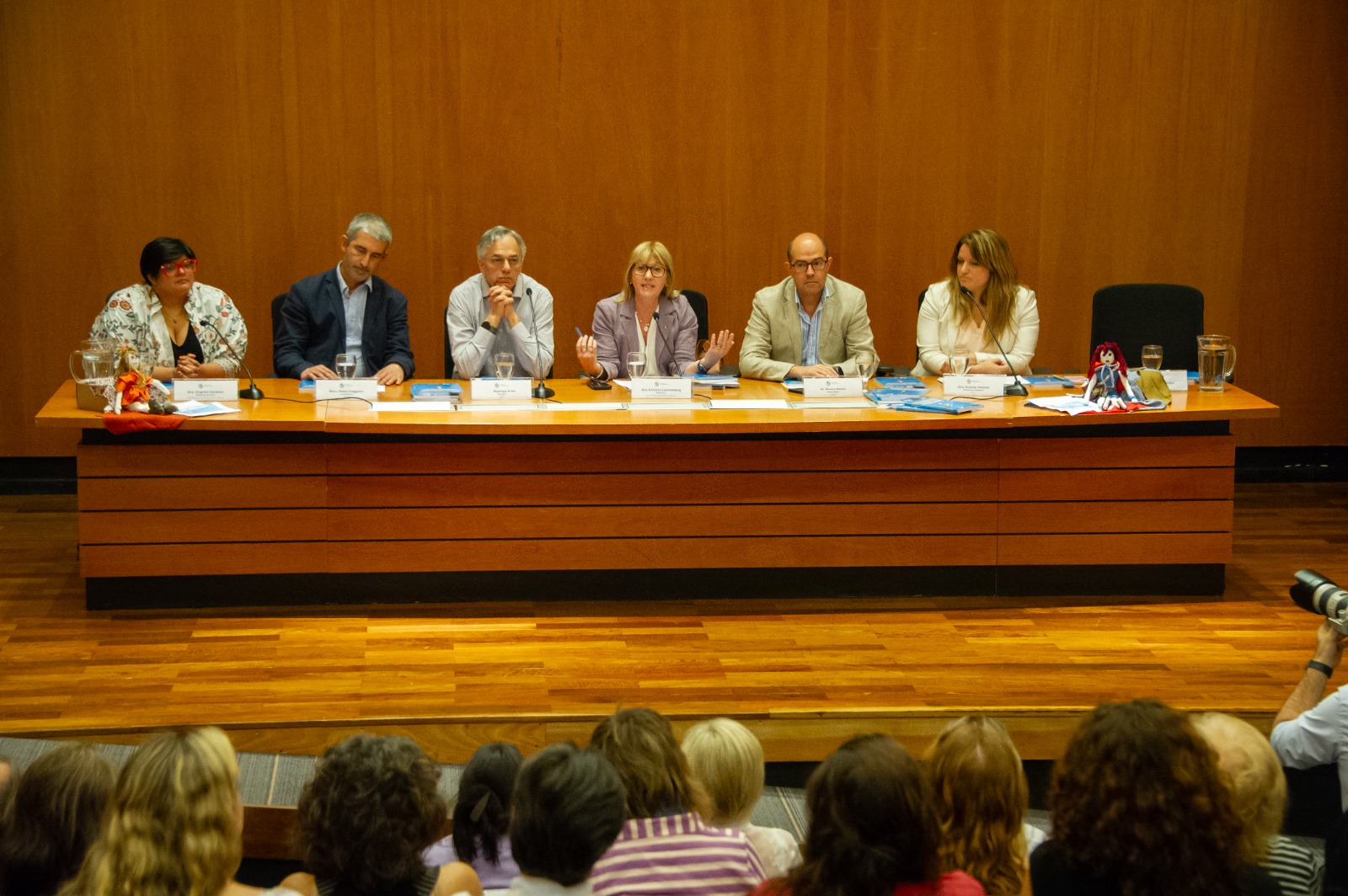
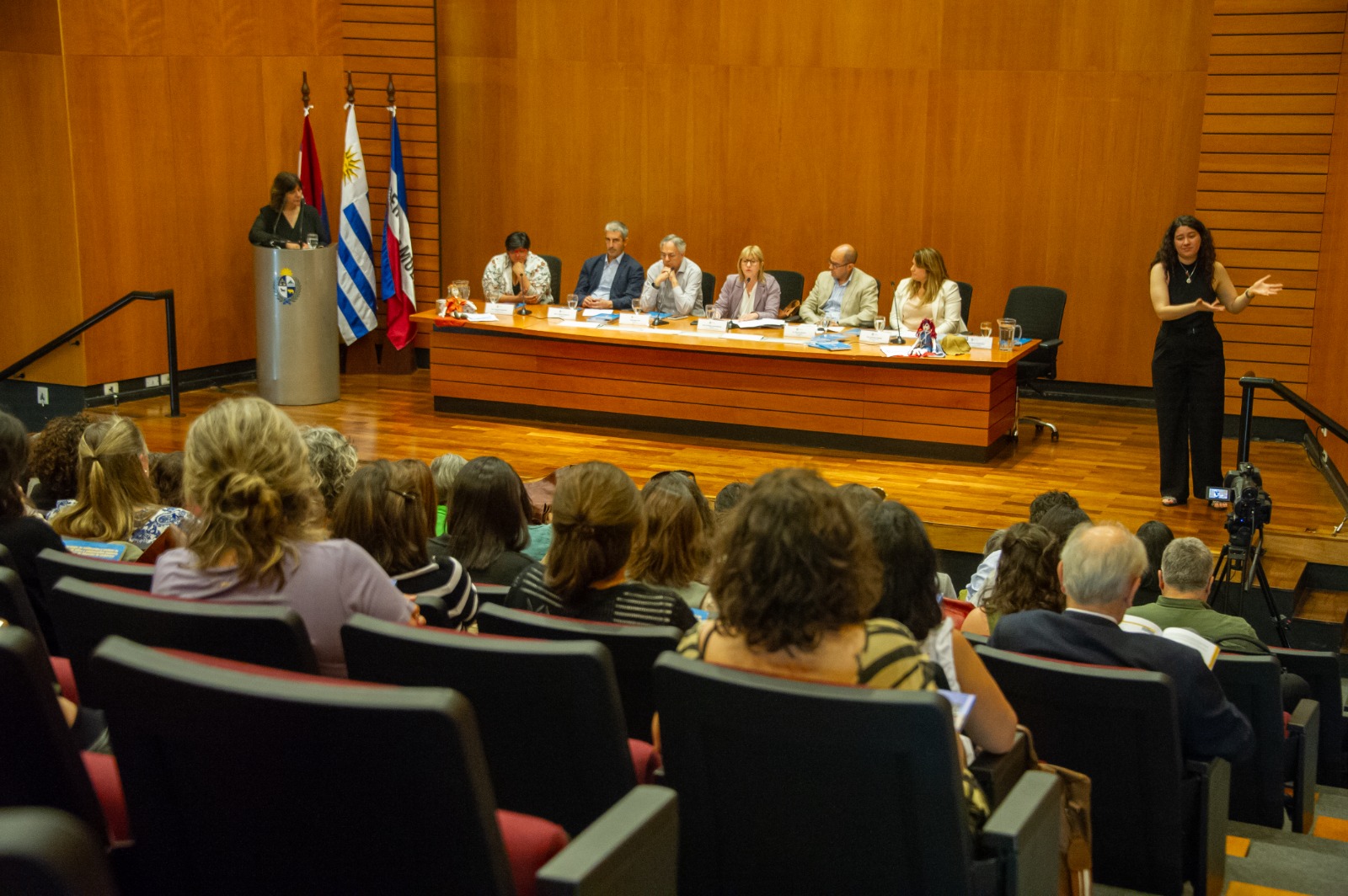
In 2013, about 60 of every 1,000 Uruguayan girls aged 15 to 19 gave birth in a given year. By 2024 the figure was 20.9. On 13 November 2025, in the auditorium of the presidential tower in Montevideo, the Ministry of Public Health launched a plan meant to push that curve further: end pregnancy among girls under 15 altogether, and keep driving it down among older teenagers until 2030.
- Uruguay's adolescent fertility rate fell from 60 to 20.9 births per 1,000 young women aged 15 to 19 between 2013 and 2024.
- In 2024, 2,390 babies were born to teenage mothers, roughly 8% of the country's 29,899 births.
- The policy began in 2016 and has been kept going by three governments from different political camps.
- The new 2025-2030 strategy brings ten institutions together and focuses on girls under 15.
The 2024 numbers come from the official announcement published by Uruguay's presidency on the day of the launch. Of those 2,390 births, 37 were to girls aged 14 or younger, the group in which the state now wants to reach zero.

Ten years without movement, then a fall
For much of the 1990s and 2000s, teenage pregnancy was one of the few social indicators in Uruguay that simply would not budge. A study published in August 2024 in Demographic Research by Zuleika Ferre, Patricia Triunfo and José Ignacio Antón shows the rate peaking in 1997 at 74 births per 1,000 teenagers and hovering near 60 until 2014.
Then it dropped sharply. A 2021 paper in the Pan American Journal of Public Health by Alejandra López-Gómez, Silvia Graña, Valeria Ramos and Leticia Benedet puts the rate at 59 per 1,000 in 2014 and 32 in 2019. The Demographic Research study takes it to 26 in 2021. The 2024 value, 20.9, sits below every earlier figure.
The decline reshaped the country's demography as a whole. Writing for N-IUSSP, demographers Wanda Cabella, Mariana Fernández Soto, Ignacio Pardo and Gabriela Pedetti reported that total fertility went from nearly two children per woman in 2015 to 1.37 in 2021, and that fewer first births before age 24 account for 30% of that drop.
What was done, and by whom
The backbone was the National Intersectoral Strategy for the Prevention of Unintended Adolescent Pregnancy, declared a national priority in September 2016. In October 2017 the government added a youth-facing campaign called Mi plan adolescente ("My teenage plan").
The most tangible tool was the contraceptive implant, a small flexible rod placed under the skin of the upper arm that prevents pregnancy for years without the user having to remember anything. Public health services began offering it on a large scale from 2015. In 2017 the ministry said the state was spending $1,183,000 a year on its contraceptive supply and that implant insertions were rising by 60% year on year.
Did it work? Economists at the University of the Republic's Institute of Economics (Rodrigo Ceni, Cecilia Parada, Ivone Perazzo and Eliana Sena) took advantage of the fact that public hospitals adopted the implant at different times. Their 2020 working paper found an average 3% fall in the birth rate at those hospitals over the following two years, and a 5.5% fall among teenagers, mostly in first births. At a time when births in public hospitals dropped 20% in three years, the implant would explain about a third of the decline.
The implant was only part of the picture. Clinics strengthened their adolescent services, including for boys, and staff worked to make sure that every teenager who gave birth left hospital with an effective method, so that a second pregnancy did not follow months later. The Demographic Research authors point to school as well: a 1% increase in female secondary enrolment is associated with a 0.379% drop in adolescent fertility two years later. They are careful to say these are associations, and that their design cannot isolate the effect of each measure.
Three governments, one line
What sets Uruguay apart is continuity. The strategy was born in 2016, during Tabaré Vázquez's second term. In September 2021, under Luis Lacalle Pou, the health ministry relaunched the intersectoral commission, chaired by deputy minister José Luis Satdjian and joined by six other public bodies, the UN Population Fund (UNFPA), civil society groups and adolescent representatives.
It is not about starting from scratch, but about continuing to improve the path already travelled.
José Luis Satdjian, Deputy Minister of Public Health, September 2021
In November 2025, with Yamandú Orsi now president, Minister Cristina Lustemberg, who as deputy minister had presented the 2017 campaign, led the launch of the 2025-2030 plan.
What the 2025-2030 plan adds
The new strategy sets out six lines of work:
- End pregnancy among girls under 15, with stronger prevention of sexual violence and protection for victims.
- Prevent adolescent pregnancy through comprehensive sex education, youth-friendly health services and support to keep girls in school.
- Involve adolescent boys in shared responsibility for sexual and reproductive health.
- Guarantee the services provided for by law, with full support.
- Help teenage mothers and fathers stay in education or find work.
- Build monitoring and evaluation systems.
The most immediate operational change is a decree, announced at the launch, that will extend mandatory reporting of pregnancies in girls under 14 to every provider in the National Integrated Health System, including mutual health societies and private insurers. Until now that protocol applied in ASSE, the public provider, which ran its own case-reporting and review strategy between 2021 and 2024.

The institutions taking part include the ministry, the Attorney General's Office, the Interior Ministry, the Supreme Court, the Office of Planning and Budget, ASSE, the national education authority ANEP, the Uruguay Crece Contigo early-childhood programme, the child protection institute INAU and the University of the Republic's psychology faculty. Prosecutors and police are there for a reason: a pregnancy before 15 is almost always linked to abuse. A roadmap drawn up with UNFPA already sets out how each service should respond in such cases.
To guarantee that all adolescents can decide, live free from violence and build full futures.
Cristina Lustemberg, Minister of Public Health, at the launch of the plan
The work still ahead
Progress has not been even. In 2017 the ministry reported that 27% of births handled by ASSE were to mothers aged 10 to 19, against 10% at mutual health societies. Three in four girls who became mothers in 2014 had already left school before getting pregnant. In 2021, the relaunch report noted that fertility among under-15s was falling in Montevideo but not in the rest of the country, and that about 20% of teenage mothers became pregnant again.
That is why the current plan concentrates on two fronts: school, and the youngest girls. It does not yet set numerical targets; instead it promises monitoring systems that should show over the coming years whether the 37 girls of 2024 become zero.
The Positive Way has followed other maternal and child health policies that only showed up in the statistics after years of steady work, such as Barbados ending mother-to-child HIV transmission and Ecuador's fight against chronic child malnutrition. The link between schooling and early motherhood also drives Educate Girls' door-to-door effort to bring two million girls back to class in India, while a long-running public health programme is why El Salvador became Central America's first trachoma-free country.
The detail you may not know
In 2016, the year the strategy began, Uruguay recorded 123 pregnancies among girls aged 10 to 14, which the ministry at the time described as "forced child motherhood". In 2024 there were 37 births to girls aged 14 or younger. The two figures come from different reports and are not strictly comparable, but the order of magnitude has changed, and the official goal for 2030 is none at all.
Go further
- Web · Presidencia de UruguayGalería del lanzamiento de la estrategia 2025-2030
Las fotos oficiales del acto del 13 de noviembre de 2025 en la Torre Ejecutiva.
- Web · UNFPA Uruguay y MSPMapa de ruta para la atención de niñas y adolescentes menores de 15 años en situación de embarazo
Explica paso a paso cómo debe actuar cada servicio ante el embarazo de una niña.
- Web · Zuleika Ferre, Patricia Triunfo y José Ignacio AntónThe short- and long-term determinants of fertility in Uruguay
El estudio que reconstruye la curva de fecundidad adolescente desde 1997 y mide el peso de la escuela.
- Blog · Wanda Cabella, Mariana Fernández Soto, Ignacio Pardo y Gabriela PedettiPlummeting fertility in Uruguay, 2016-2021
Cuatro demógrafas explican en pocas líneas por qué Uruguay pasó a tener tan pocos nacimientos.
- Web · Rodrigo Ceni, Cecilia Parada, Ivone Perazzo y Eliana Sena (IECON, Udelar)Birth Collapse and Long-Acting Reversible Contraceptive Policies
La evaluación que cuantificó el efecto del implante subdérmico en los hospitales públicos.
- Web · Ministerio de Salud Pública de UruguayEstrategia de prevención del embarazo en la adolescencia
El documento oficial de la estrategia, para quien quiera leer las medidas completas.
Sources
- Presidencia de Uruguay: Estrategia buscará eliminar el embarazo en niñas y disminuirlo en adolescentes (13/11/2025)
- MSP: Estrategia Nacional e Intersectorial de prevención del embarazo no intencional en la adolescencia (23/09/2021)
- Presidencia de Uruguay: campaña Mi plan adolescente (11/10/2017)
- Ferre, Triunfo y Antón: The short- and long-term determinants of fertility in Uruguay, Demographic Research (2024)
- N-IUSSP: Plummeting fertility in Uruguay, 2016-2021 (2024)
- IECON-Udelar: Birth Collapse and Long-Acting Reversible Contraceptive Policies (2020)





